
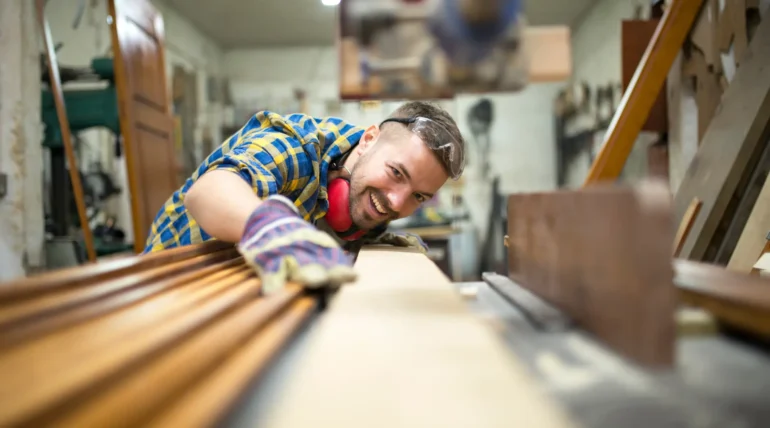
Let’s be honest: the furniture industry has finally stopped trying to be “fast” and started trying to be “smart.” If you’ve stepped into a showroom lately, you’ve probably noticed the shift. It’s no longer just about a slab of timber and some varnish. In 2026, the way your dining table is made is as high-tech as the phone in your pocket, yet it feels more “natural” than anything we’ve seen in a decade. For homeowners and retailers alike, keeping up with wood furniture manufacturing is the only way to ensure your investment doesn’t look or fall apart like a relic in three years.
We’re seeing a massive pivot toward “Modern Heritage,” where old-school craftsmanship meets Industry 4.0 precision. At BNG Interiors, we’ve leaned into this evolution, merging factory-grade accuracy with the soulful touch of traditional Kerala woodworking.
Table of Contents
| The Rise of Smart, Circular Production |
| Materials That Define 2026 |
| Precision Engineering Meets Human Touch |
| Final Thoughts |
| FAQ |
The Rise of Smart, Circular Production
The biggest change? Furniture isn’t designed for a landfill anymore. The “make-use-discard” model is dead. In 2026, smart manufacturing means every piece of timber is tracked, optimized by AI to reduce waste, and designed for disassembly. This circular approach isn’t just a win for the planet; it means your furniture is easier to repair, move, and refurbish.
We’re also seeing a surge in “tactile technology.” Think of coffee tables with hidden wireless charging or desks that self-heal minor scratches using biomimetic coatings. It’s technology that doesn’t scream for attention but makes your daily life smoother.
Materials That Define 2026
In 2026, the material is the story. We’ve moved past the “everything must match” era. The trend now is “Mixed Wood Tones”—pairing light ash with deep walnut or reclaimed teak with sleek metal accents.
- Reclaimed and Certified Timber: Ethical sourcing is now the baseline. If it isn't FSC-certified or reclaimed from an old structure, it’s not making the cut.
- Bio-based Adhesives: We’ve finally ditched the harsh chemicals. Modern furniture uses plant-based resins that are better for your indoor air quality (and the workers making it).
- Engineered Composites: These aren't the "cheap" boards of the past. High-performance wood composites are being used to create curved, architectural silhouettes that solid wood simply can't handle without warping.
Precision Engineering Meets Human Touch
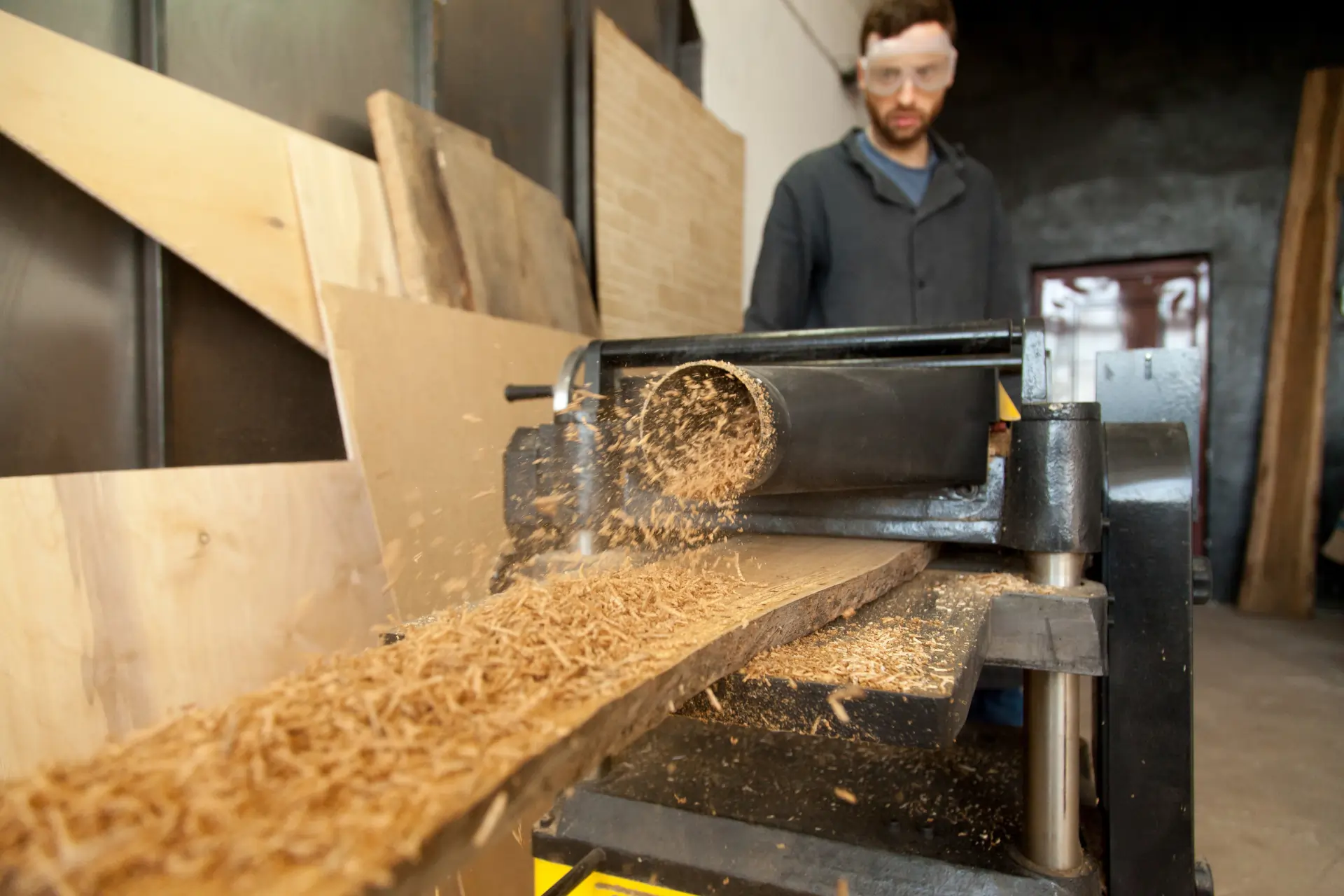
While robots and CNC machines handle the heavy lifting and micron-level precision, the final finish is increasingly “human-first.” Homeowners are craving “Materials Made for Touching.” This means matte finishes that celebrate the grain rather than burying it under a thick layer of plastic-feeling gloss.
This shift toward sustainable sophistication is especially visible in Kerala, where we are blending traditional courtyard-style aesthetics with modern, moisture-resistant manufacturing. It’s about creating pieces that honor the past but are built for a high-tech future.
Final Thoughts on Wood Furniture Manufacturing
The 2026 landscape of wood furniture manufacturing proves that we can have it all: the beauty of nature, the precision of a machine, and the ethics of a circular economy. Whether you’re a retailer stocking a floor or a homeowner building a sanctuary, the choice is clear: invest in pieces that tell a story and are built to evolve.
Is your home ready for a 2026 upgrade? [Internal Link: Talk to BNG Interiors about our custom wood furniture today.]
FAQ
Because flatpack, disposable furniture was a mistake. Circular design means your furniture is built to be taken apart, fixed, or eventually recycled. It’s about buying one high-quality piece instead of five cheap ones that end up in a heap.
Only if they solve a problem. A sofa with a built-in speaker might be a gimmick, but a desk with integrated cable management and “self-healing” wood? That’s a lifesaver for your productivity and your home’s resale value.
Yes! Please do. The “matching set” look is very 2010. In 2026, we’re seeing a lot of “Modern Heritage” where you might have a dark walnut dining table paired with light oak flooring. It adds depth and makes the room feel curated, not “bought from a catalog.”
Absolutely. The kitchen is the most technical room in the house. Getting the “Golden Triangle” (stove, sink, fridge) right requires professional planning to ensure you aren’t exhausted just by making tea.