
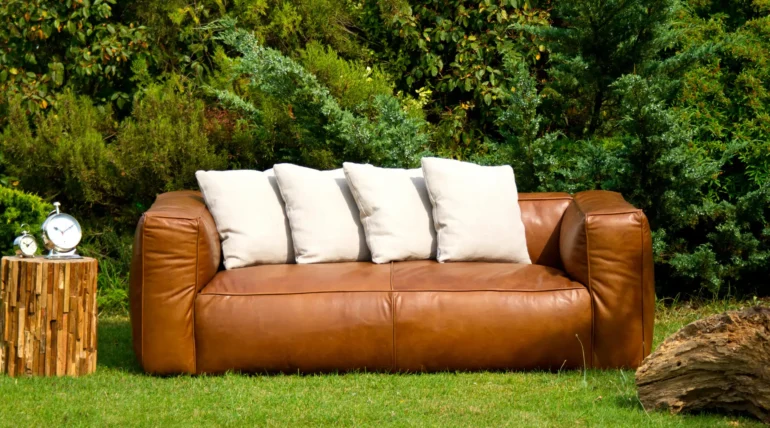
Let’s be real: buying a sofa in Kerala isn’t like buying one in Delhi or Bangalore. Here, you aren’t just fighting for style; you’re fighting the elements. Between the salt in the coastal air and humidity levels that regularly cross 80%, a standard “off-the-shelf” couch can turn into a moldy, saggy mess in just two monsoons. It’s frustrating. You want a sanctuary, not a science experiment growing in your living room. Choosing the best sofa for the Kerala climate requires a blend of local wisdom and modern engineering. You need materials that breathe and frames that won’t warp when the rains hit.
At BNG Interiors, we specialize in furniture that doesn’t just look stunning in a showroom but actually survives the Kerala humidity without losing its soul.
Table of Contents
| Why Modern Tropical Design is the Secret to Longevity |
| Materials That Beat the Monsoon |
| Layouts That Work for Kerala Families |
| Final Thoughts |
| FAQ |
Why Modern Tropical Design is the Secret to Longevity
The short answer? Airflow is everything. In a humid environment, stagnant air is the enemy of your furniture. This is why modern tropical design has become the gold standard for Kerala homes. These sofas often feature raised legs—allowing air to circulate underneath—and slim, open profiles that don’t trap moisture against your walls.
It’s about choosing a “breezy” aesthetic. Instead of heavy, floor-hugging velvet monstrosities, think of sleek lines and natural textures. This style keeps your living room feeling light and, more importantly, keeps your sofa dry.
Materials That Beat the Monsoon
When it comes to interior design for humid climates, your fabric choice is your first line of defence. If you pick the wrong upholstery, you’ll be dealing with that “sticky” feeling every time you sit down in April.
- Synthetic Performance Blends: In 2026, high-performance polyesters and microfibres are king. They’re moisture-wicking, dry quickly, and resist the mildew that destroys natural cotton.
- Treated Hardwood Frames: Forget softwoods or cheap particle boards. You need kiln-dried teak or mahogany. These woods have natural oils that repel pests and handle the swell-and-shrink cycle of the Kerala seasons.
- Breathable Linens: If you love natural fibres, go for a linen-synthetic blend. You get the cooling touch of linen with the durability of modern tech.
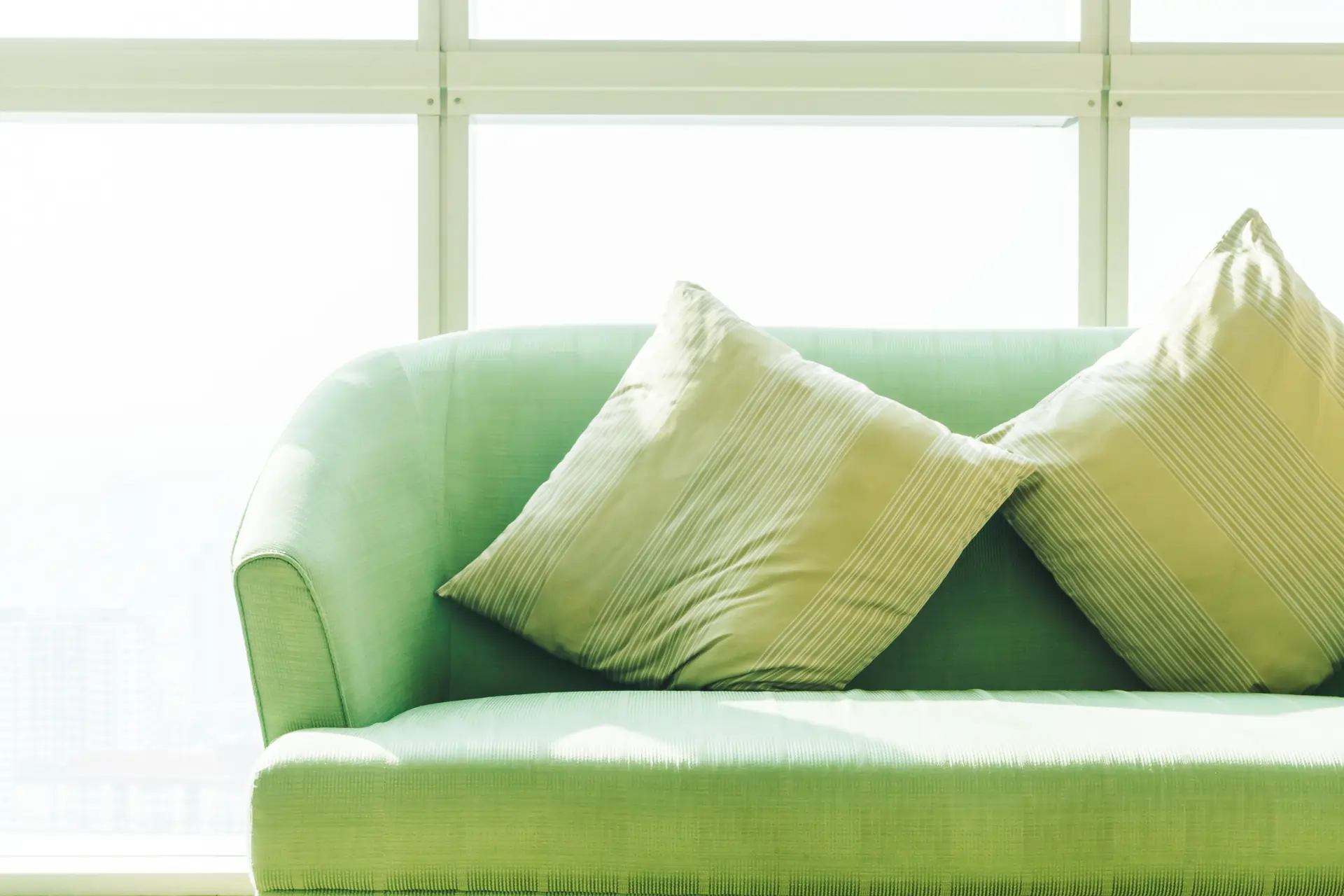
Pro Tip: The 6-Inch Rule
Never push your sofa directly against the wall. In Kerala, exterior walls often hold “damp” during the rainy season. Leave at least a 6-inch gap to allow air to flow behind the piece. This small move alone can double the life of your upholstery.
Layouts That Work for Kerala Families
Modern Kerala homes are shifting toward modularity. An L-shaped sectional is great, but in 2026, homeowners are opting for “flexible modulars” that can be moved to follow the breeze or accommodate large family gatherings during Onam.
Look for deep-seated designs if you love lounging, but ensure the seat height is elder-friendly. In a multi-generational Kerala household, a sofa that’s too low is a nightmare for the grandparents.
Final Thoughts on Wood Furniture Manufacturing
The 2026 landscape of wood furniture manufacturing proves that we can have it all: the beauty of nature, the precision of a machine, and the ethics of a circular economy. Whether you’re a retailer stocking a floor or a homeowner building a sanctuary, the choice is clear: invest in pieces that tell a story and are built to evolve.
Is your home ready for a 2026 upgrade? [Internal Link: Talk to BNG Interiors about our custom wood furniture today.]
FAQ
Honestly? Only if you have 24/7 AC. Real leather is skin—it breathes, but it also absorbs moisture. In non-AC rooms, it can feel sticky in summer and might develop mold in the monsoon. If you love the look, go for high-quality leatherette or “vegan leather,” which handles humidity much better.
Don’t use water! Adding more moisture to a damp environment is a recipe for disaster. Use a dry vacuum and, if you smell a bit of mustiness, a light sprinkle of baking soda followed by a vacuum usually does the trick.
It’s likely the wood reacting to the humidity. Cheap wood expands and contracts violently. If you invest in kiln-dried teak from the start, those annoying squeaks won’t be an issue.
If you have kids, pets, or live within 10km of the coast—yes. These fabrics are treated to stay dry and resist the salt air. It’s the difference between a 3-year lifespan and a 10-year one.